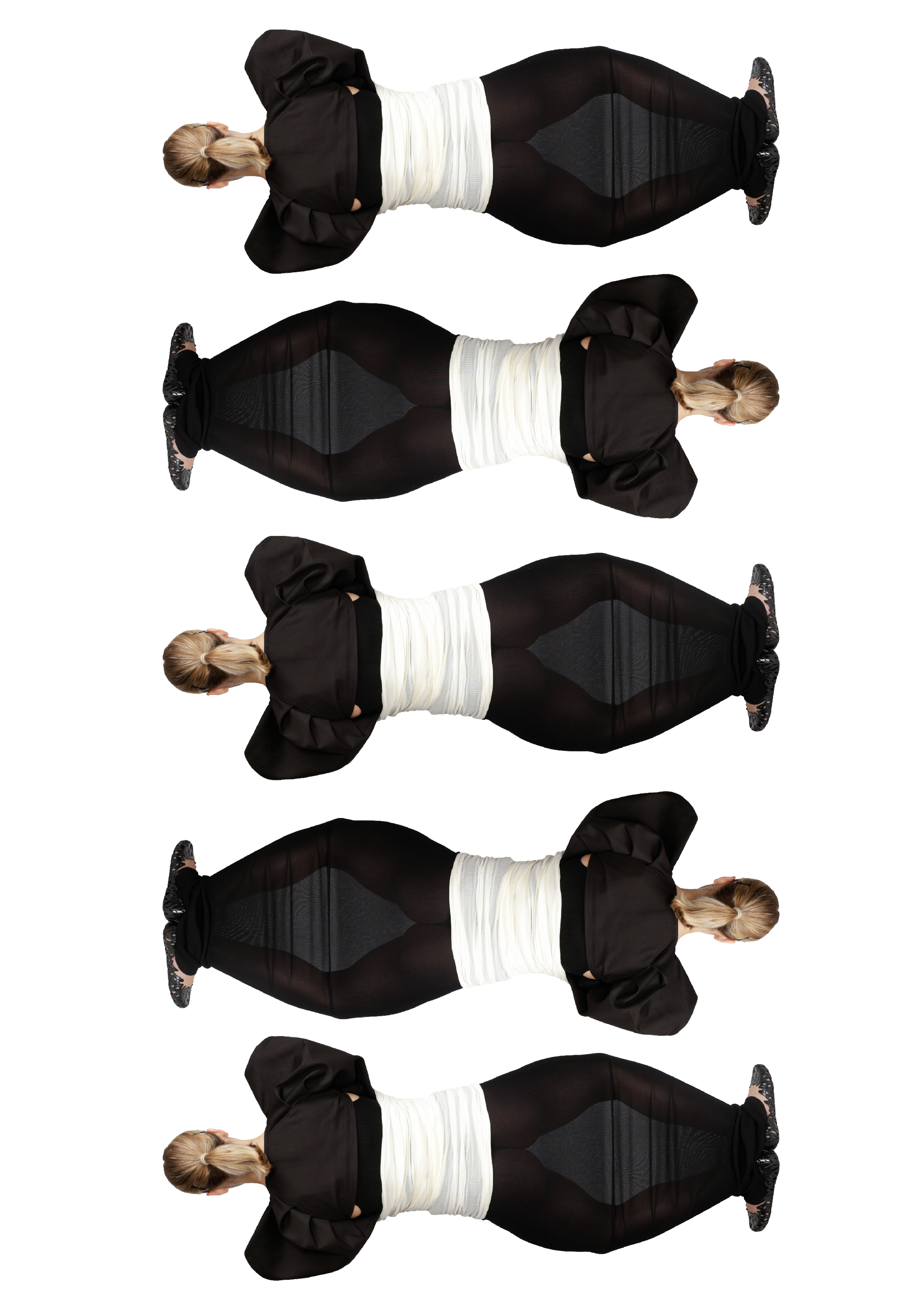
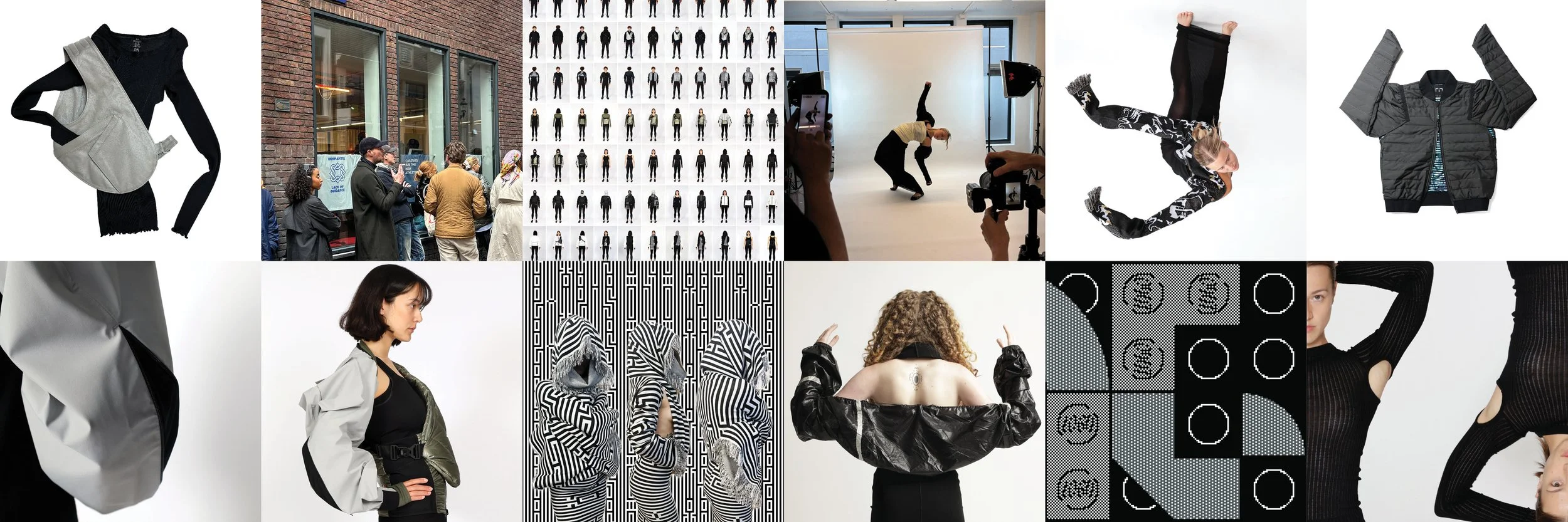
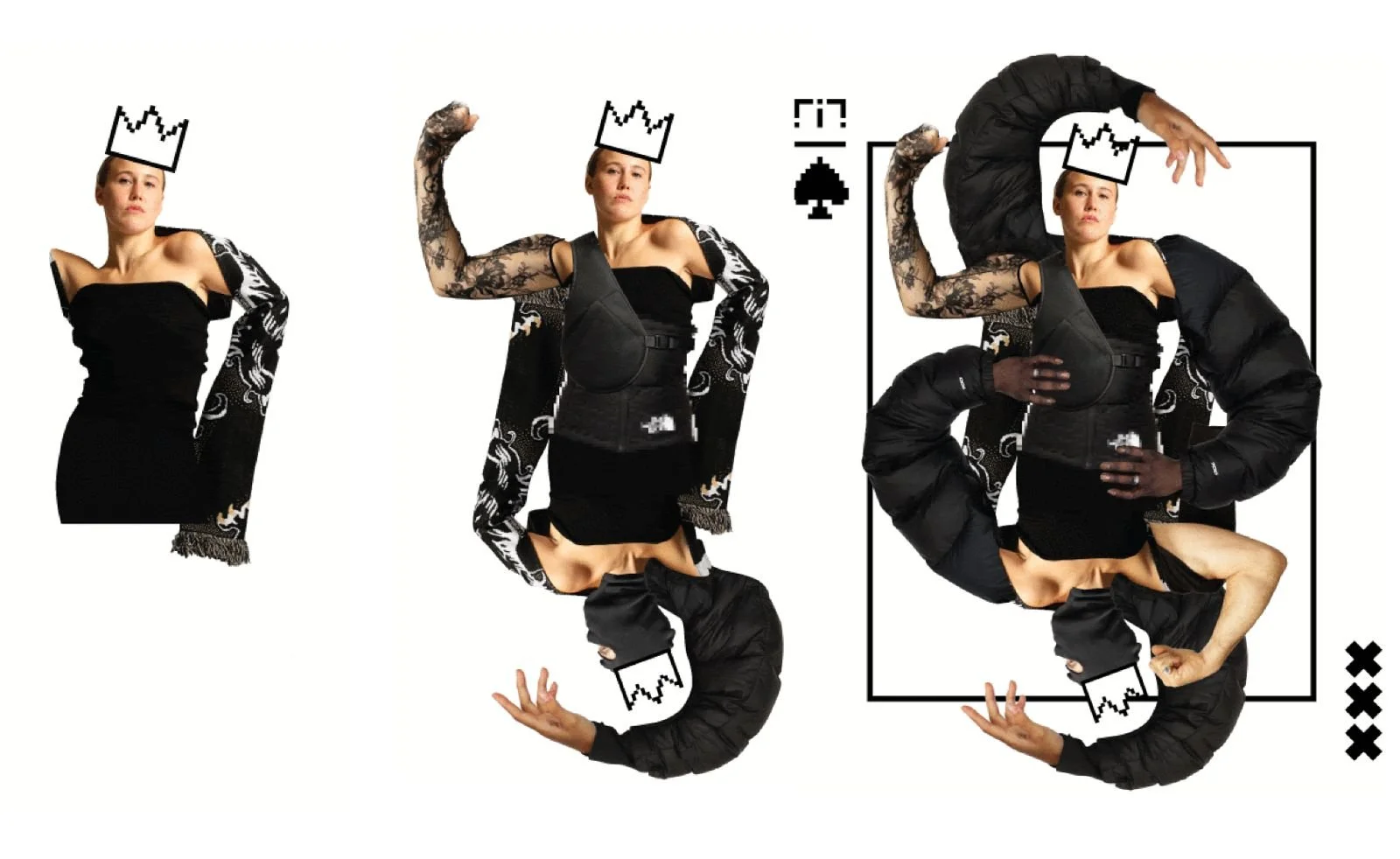
Haeberle talks about three decades inside the fashion machine, challenging its rules and building a different future.
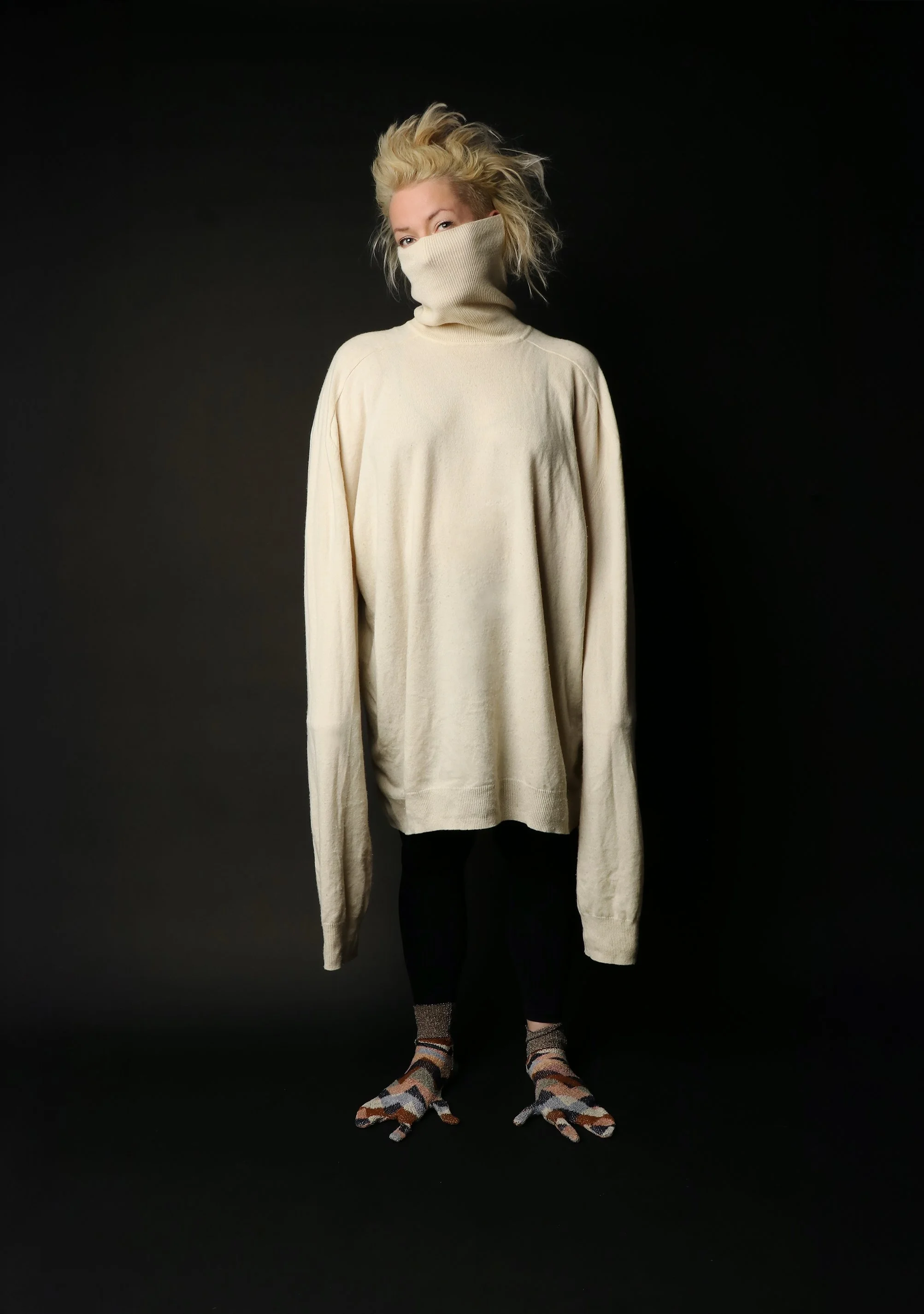
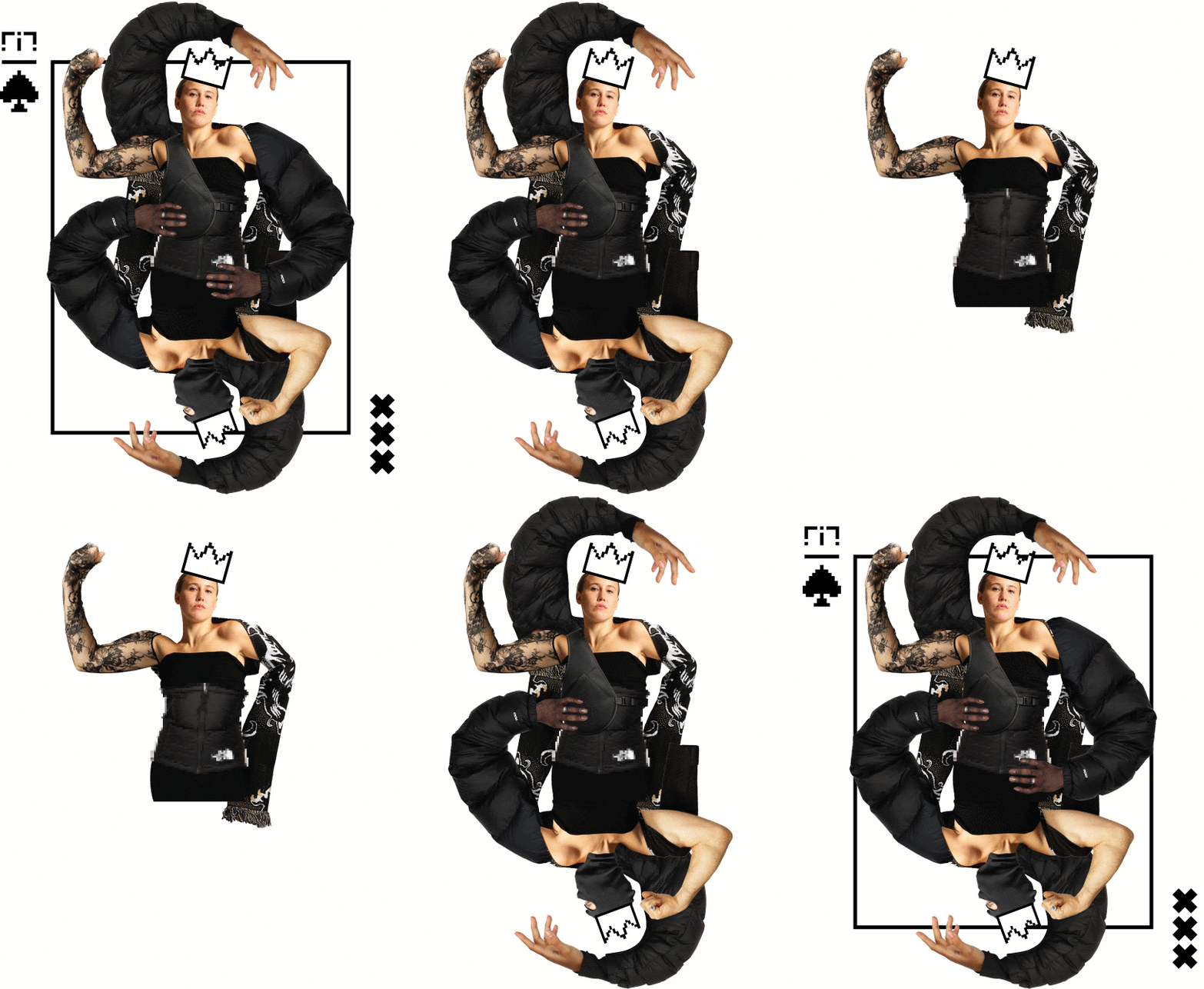
Art photography by Christina Diebel
Design visionary and industry insider, J. Haeberle, knows how the industry works. She’s spent three decades inside it, from Nike’s innovation kitchen to designing for some of the biggest names in sportswear, much of it without her own name attached. She learnt the rules. Now she’s questioning them.
Today the toolbox is her. From Amsterdam, she leads the 100% female run, multiple identities, an independent design studio pushing a “less-but-better” approach and a belief in making more of what we already have.
At the centre of her work is mi_kit, a modular clothing system she's been developing since 1999. A major outdoor brand called it “too disruptive” in 2020 and walked away. Jacqueline kept building. The system didn’t change. The world did.
We sat down with Jacqueline to trace the thinking behind her work, from a childhood where nothing went to waste to a career spent learning exactly where the industry's rules stop making sense.
Who are you and what is multiple identities?
I am Jacqueline. Grew up on a farm in Germany in the 1970s, five generations under one roof, nothing wasted because nothing could be. Out of boredom I started restoring old cars. Sewed with my grandmother from age five. Worked in retail alongside school, picked up my first real fashion experience in the early nineties right when streetwear and technical clothing started getting interesting. Worked with Acronym while studying. Worked at ISPO in the nineties. And eventually ended up fully in fashion. Which is either the most logical thing in the world or the least, depending on the day.
I also love cars. Combustion engines specifically. The Autobahn. I drive a slightly older fast car with Funkverbindung. Make of that what you will.
multiple identities is a design studio and open space in Amsterdam since 2009. We do not work in collections. We make things based on available time, assets and funds. No virgin materials. Ever.
You spent years working anonymously for and with big brands: Adidas, Nike, Puma, The North Face and others. Your name was never on any of it. Was that difficult?
Not even a little. I went in with an empty toolbox. I filled it, understood which tools were missing, and built those myself. Opinions included.
Being anonymous was a gift. No name to protect, no ego in the way. You get to watch the whole machine from the inside: how a product is born, how many people touch it, and how much of it never finds a home. You learn the rules so well that you can see exactly where they stop making sense.
And in a way, it’s where the name multiple identities comes from. Good work rarely belongs to one person. It’s many hands, many heads, many identities. I just stopped pretending otherwise.
The difference now is that the toolbox is mine. And so are the opinions :]
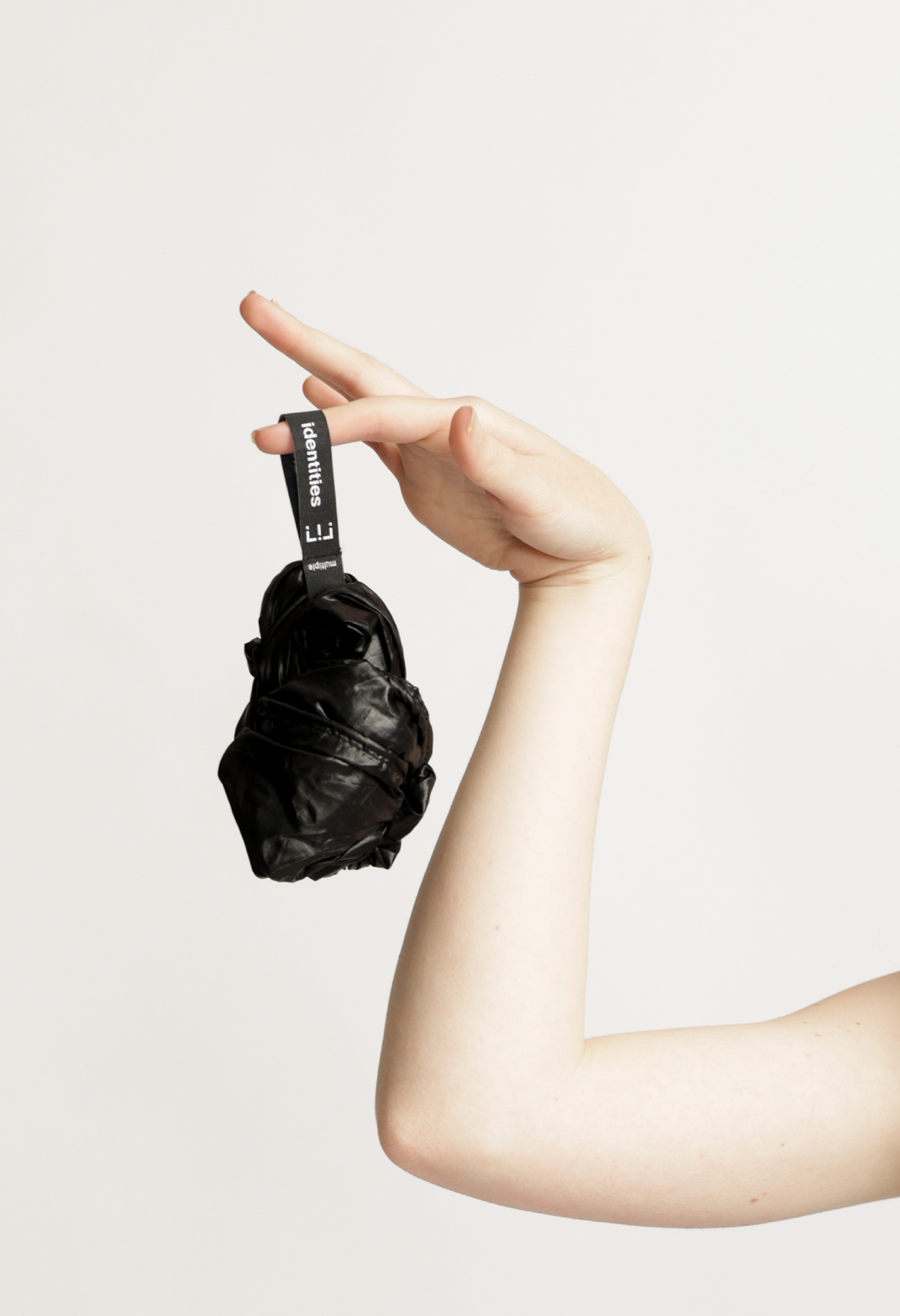
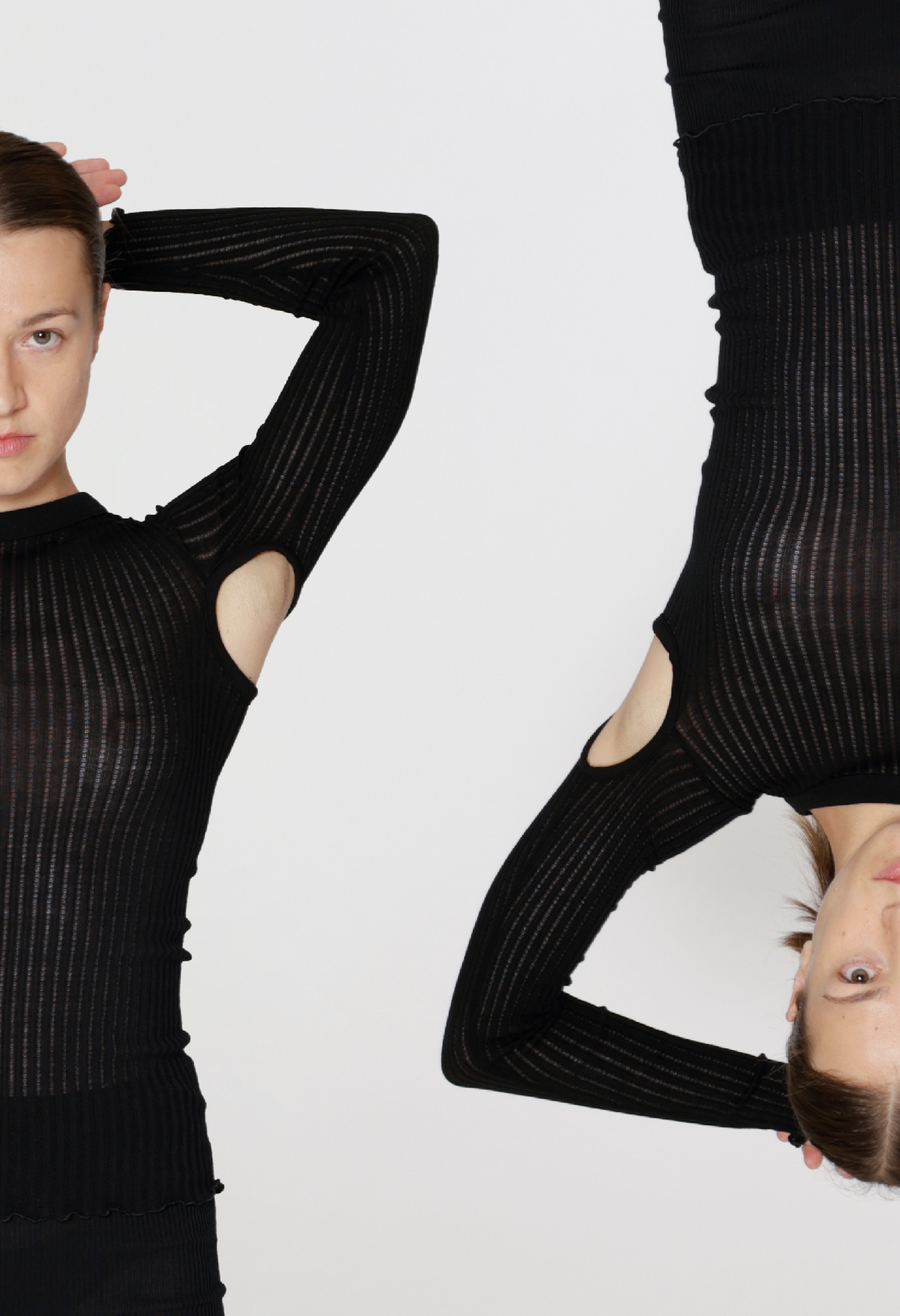
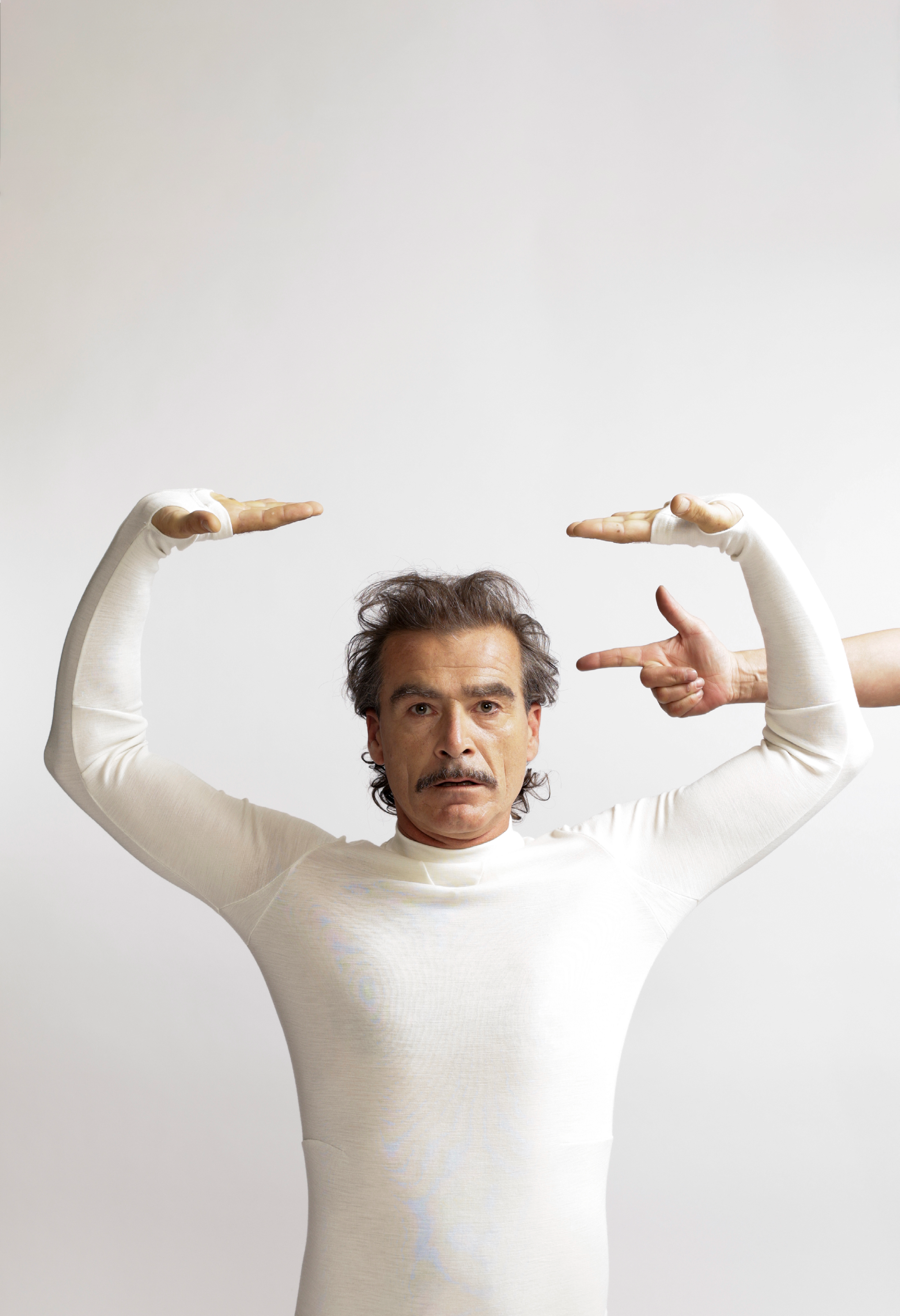
The mi_kit system has been in development since 1999. That is a long time to be building something before the world catches up.
A major outdoor brand called it too disruptive in 2020 and walked away. I kept building. The system didn’t change. The world did.
Back then, modular sounded like a risk. Today, with full warehouses and empty promises, it sounds like common sense. Sometimes being early just means you have to be patient.
It started with my graduation project, inspired by clothing for the sick and disabled that I found in a book from the late Middle Ages. Garments made to open where they needed to, to be taken apart, adjusted and put back together around a body, not the other way round.
If a garment can adapt to someone who needs it most, it can adapt to anyone. It was never about one perfect product for one perfect person. It was about many bodies, many needs, many identities.
The mi_kit is still built on that same thought. It just grew up. And looking at the industry today, funny how the system now seems to be the patient, in need of clothes made for healing.
Lastly, sometimes being early just means you have to be patient.
You talk about play a lot. What does play actually mean here?
Children’s rooms today are built for gaming, not play. And adults get played the same way. Gaming has rules, scores, winners and losers. Play is open. It teaches without announcing itself.
They say you learn in a handful of tries through play what otherwise takes hundreds.
The mi_kit isn’t a product. It’s an invitation to play. You learn how clothing works, how systems work, how waste works. Nobody lectures you.
For humans of all ages.
Game over?
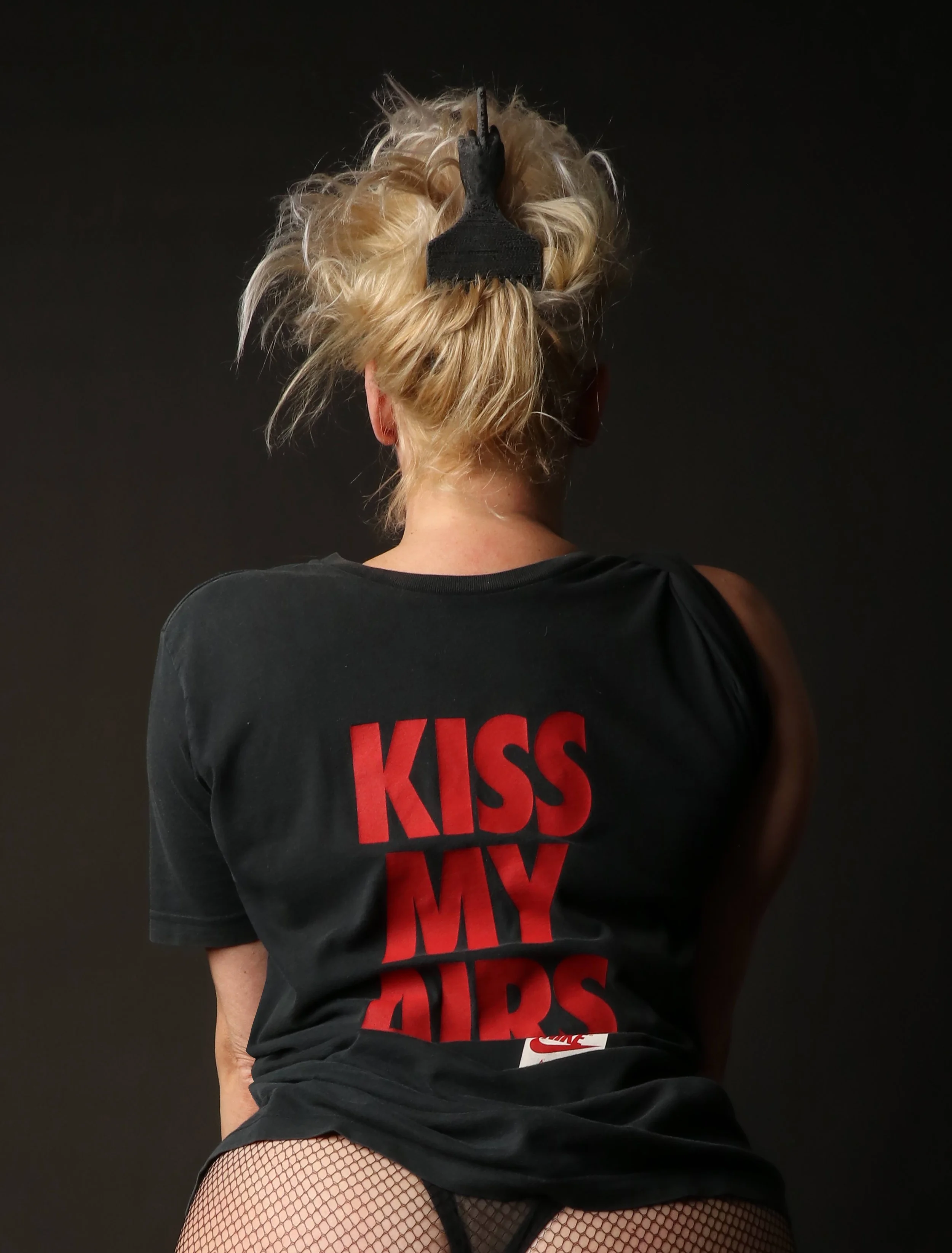
When you walk through the fashion industry today what do you actually see?
A crime scene. And in this episode, I’m the investigator :]
Case closed?
Not yet.
Where do you look?
I’m a dinosaur. A cat. An explorer. I look where the public doesn’t see. Factory floors. Warehouses. Inventories. Stockrooms. The brands and clients we work and have worked with.
Half a billion new puffer jackets are produced every year, for a planet where most people never see snow. Same silhouette. Same story. Same nod in the meeting room. As if the whole industry typed the same words and hit enter. Every season. Fifty years in a row.
And they’re still selling air, wrapped in polyester, made way too fast.
Kiss my…. :]
Do people inside these brands know this?
Of course they do. They just don’t say it out loud.
The emperor looks great. Love the new collection. See you at the next show. Can’t wait for my bonus. Almost there with my pension :]
Forecasts must rise. Investors must believe. So the gates stay shut.
The system promotes garment repair. Not system repair. Get the hint?
You are also in conversation with some much larger brands. Brands with very full warehouses.
Yes. And I say this with only good intentions.
The most interesting conversation in fashion right now isn’t about what to make next. It’s about what’s already made, sitting somewhere, waiting. We have the system to do something considered and commercial with it.
That conversation is happening. Slowly. But it’s happening.
It takes a village:]
Who is behind all of this with you?
Multiple women. Multiple ages. Multiple nationalities. One belief. Huge drive. All brilliant. No corporate budget. Just sharp minds. We improvise, we move fast. We’re not protecting a position. We’re building one.
You are doing all of this without the budgets the big brands have. Does that ever feel impossible?
Every day. And every day we do it anyway.
No budget means no waste. You can’t afford to make things nobody wants, so you don’t. You improvise, like on the farm. You use what’s already there.
Big budgets buy more of the same. Small ones force you to think.
Impossible just takes a little longer :]